
Arts of Permaculture
Regenerating land, people, and communities through ecological design, creativity and holistic education.
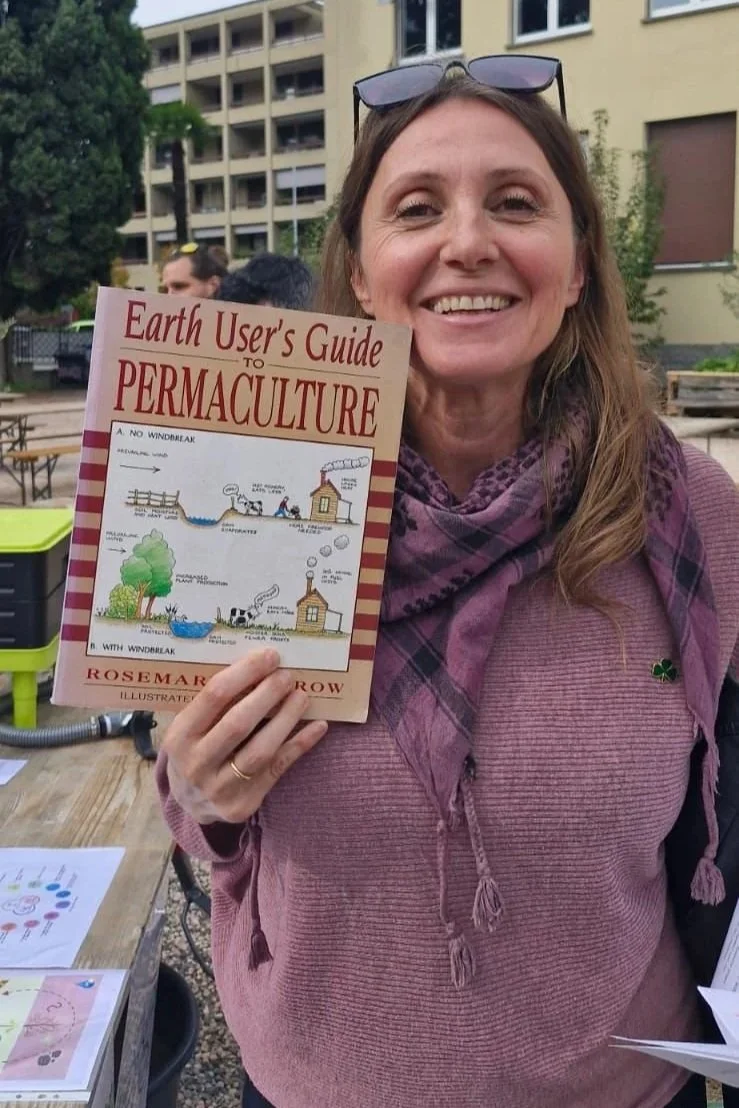
About me
I am a Permaculture designer, educator, and facilitator, passionate about the regeneration of land, people and relationships. My work weaves together ecology, creativity, holistic wellbeing, and community, inspired by nature and guided by connection and care.
What I do
Design & Regeneration
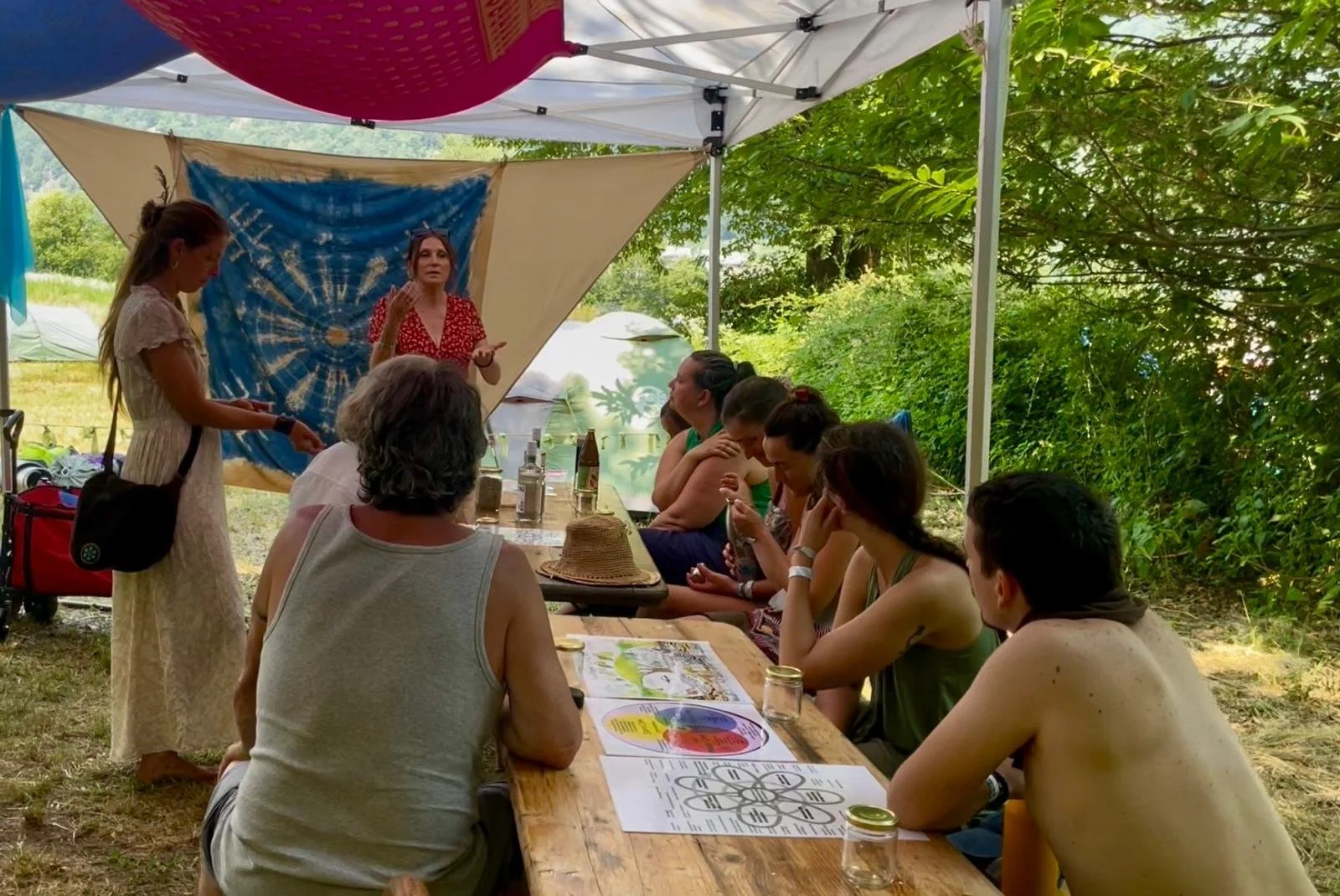
Education & Workshops
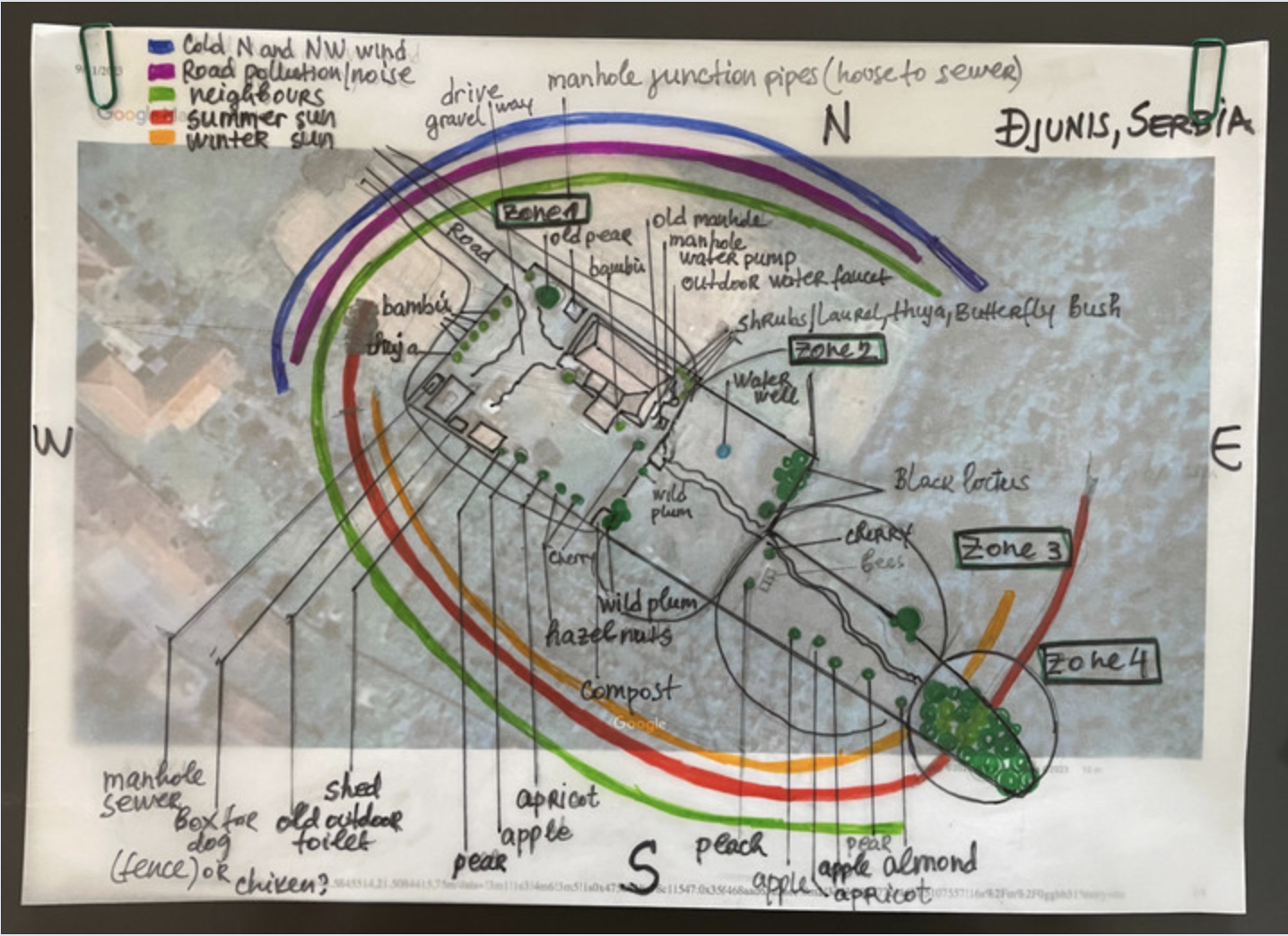
Permaculture design for regenerative landscapes, food systems and community spaces.
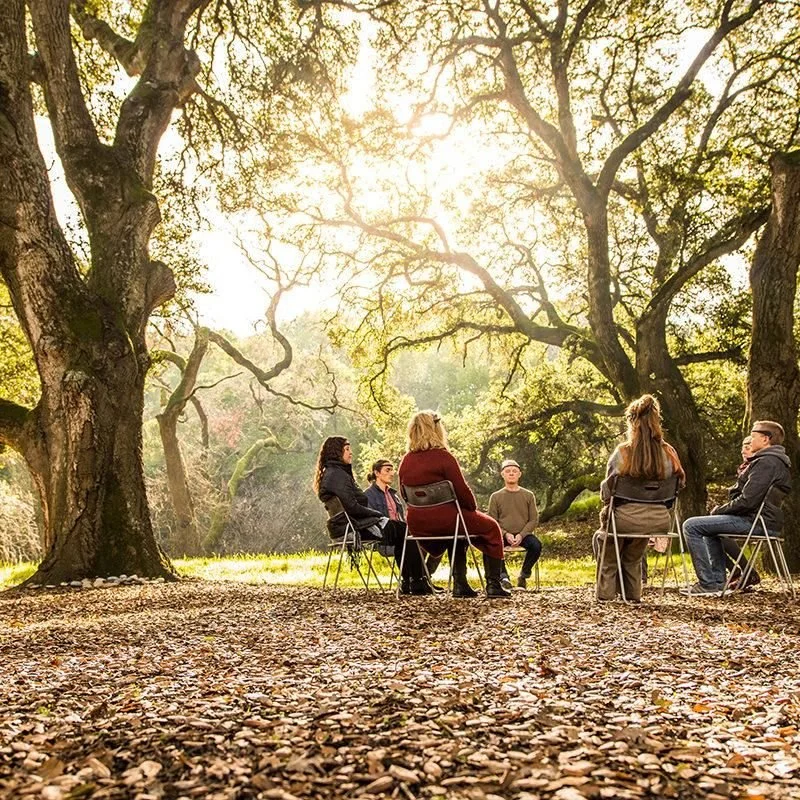
Hands-on learning experiences for all ages, schools, groups and communities.
Wellbeing & Creativity
Collaborations

Supporting organizations, retreats and community projects to create meaningful impact.
Holistic wellbeing practices, art, storytelling and creativity for personal and collective growth.
I work with

Organizations

Schools
Community Projects

Retreat Centres

Individuals
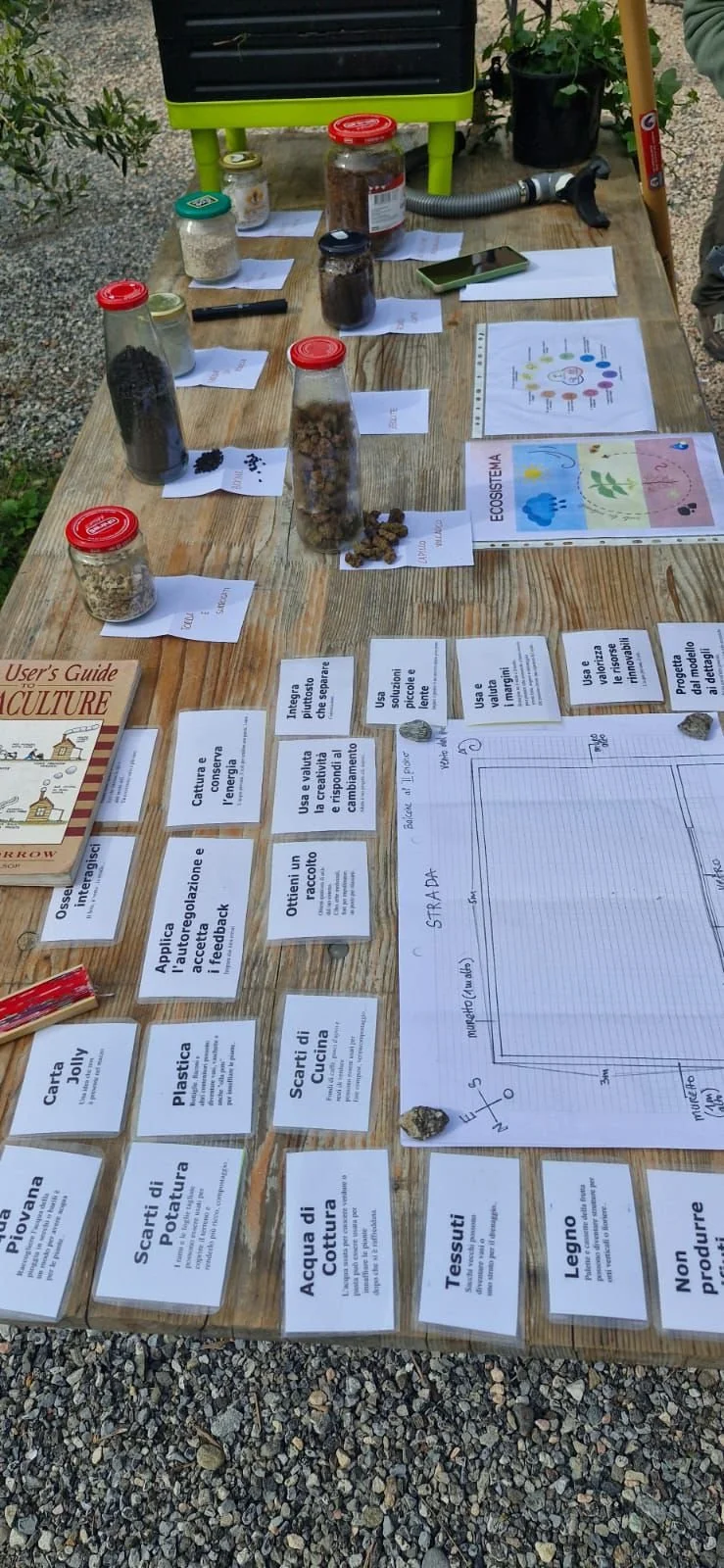
My Approach
My work is holistic, experiential and collaborative. I integrate Permaculture principles, ecological design, creativity, and wellbeing practices to support regeneration on many levels. Every project is unique, shaped by the people, place, and purpose.
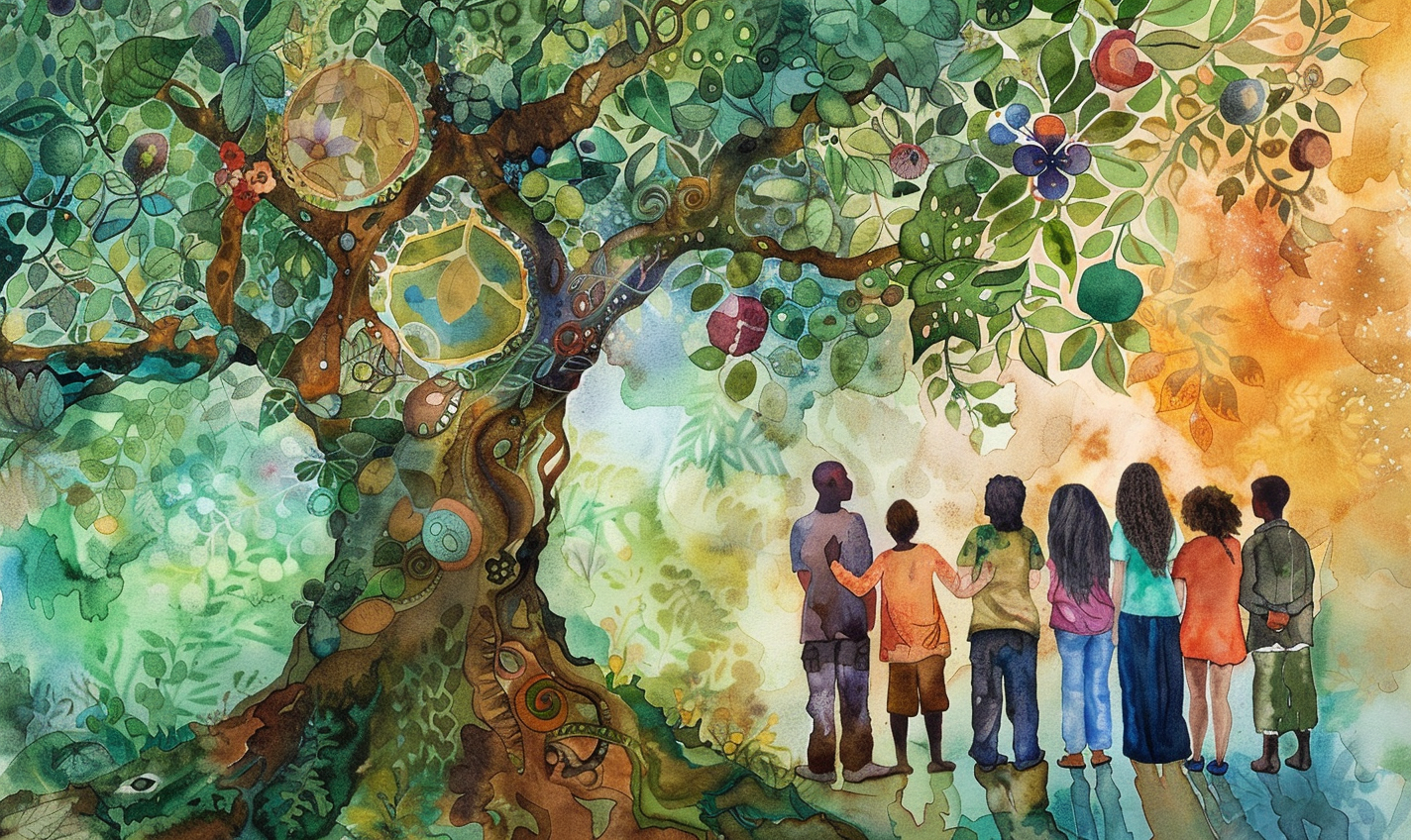
Let’s Create Regenerative Futures Together
Whether you’re looking for design support, education, collaboration or guidance on your path, I would love to hear from you.
Let’s co-create something meaningful!